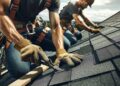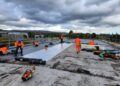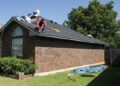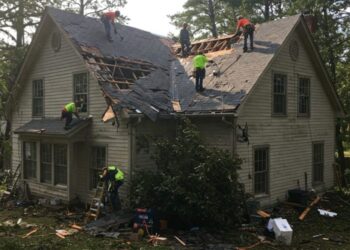

Flat roof installation specialists play a crucial role in ensuring a sturdy and long-lasting roof for your property. With their expertise and knowledge, they offer invaluable insights and solutions that can make a significant difference in the installation process. Let's delve into the world of flat roof specialists and explore the key aspects that set them apart in the roofing industry.
As we uncover the importance, types of systems, installation steps, and materials used by these specialists, you'll gain a comprehensive understanding of why their services are essential for any flat roof project.
Importance of Hiring Flat Roof Installation Specialists
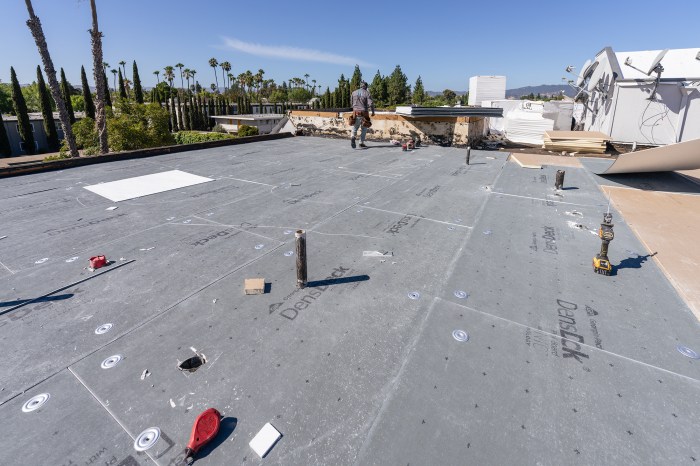
When it comes to installing a flat roof, hiring specialists in the field can make a significant difference in the outcome of the project. These professionals bring a wealth of knowledge and expertise to the table, ensuring that the installation is done correctly and efficiently.
Attempting a DIY flat roof installation can pose various risks and challenges that may end up costing more in the long run. Without the proper skills and experience, mistakes can easily occur, leading to leaks, structural damage, and other issues that could have been avoided with professional help.
Expertise Required for Specialized Flat Roof Installations
- Knowledge of different flat roof materials and their suitability for specific projects.
- Understanding of proper installation techniques to ensure durability and longevity of the roof.
- Ability to assess the unique requirements of each project and provide customized solutions.
- Experience in working with specialized tools and equipment for flat roof installations.
- Skills in troubleshooting potential issues during the installation process and addressing them effectively.
Types of Flat Roof Systems
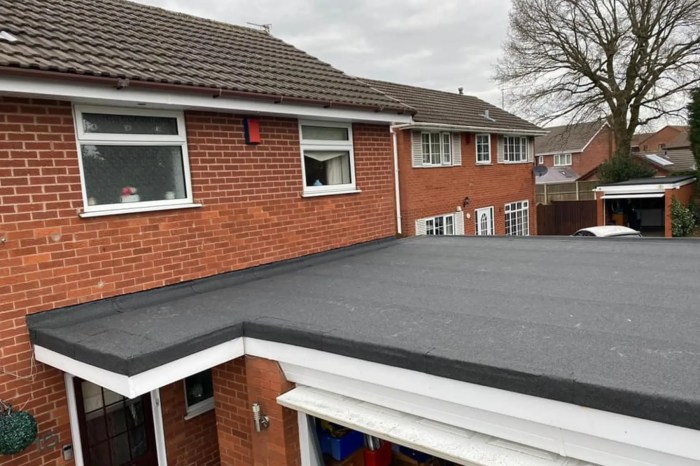
Flat roof systems are a popular choice for many commercial and residential buildings due to their cost-effectiveness and versatility. There are several common types of flat roof systems used in installations, each with its own set of features and advantages.
Let's explore some of the most commonly used flat roof systems and their suitability for various structures.
Single-Ply Membrane Roofing
Single-ply membrane roofing is a lightweight and flexible option that is easy to install. It is available in different materials such as PVC, TPO, and EPDM. These membranes are durable, resistant to UV rays, and offer good waterproofing properties. Single-ply membrane roofing is suitable for a wide range of structures, including commercial buildings, residential homes, and industrial facilities.
Built-Up Roofing (BUR)
Built-Up Roofing (BUR) systems consist of multiple layers of bitumen and reinforcing fabrics such as fiberglass or polyester. These layers are then topped with a coating of gravel or mineral granules for protection. BUR systems are known for their durability and long lifespan.
They are ideal for buildings with heavy foot traffic or where rooftop equipment needs to be installed.
Spray Polyurethane Foam (SPF) Roofing
Spray Polyurethane Foam (SPF) roofing is a seamless and energy-efficient option that provides excellent insulation properties. The foam is sprayed onto the roof surface, creating a waterproof barrier that expands and contracts with the building. SPF roofing is suitable for buildings with irregular shapes or where traditional roofing materials may not be feasible.
Metal Roofing
Metal roofing systems are durable, lightweight, and recyclable, making them an environmentally friendly choice. They come in various materials such as aluminum, steel, and copper, offering different aesthetic options. Metal roofing is ideal for buildings with large roof spans or where a sleek and modern look is desired.
Green Roofing
Green roofing systems involve the installation of vegetation or plants on the roof surface, providing insulation, reducing stormwater runoff, and improving air quality. Green roofing can be extensive (lightweight with low maintenance) or intensive (heavier with more landscaping options). These systems are suitable for eco-conscious buildings or those looking to create a sustainable and visually appealing rooftop environment.
Steps Involved in Flat Roof Installation
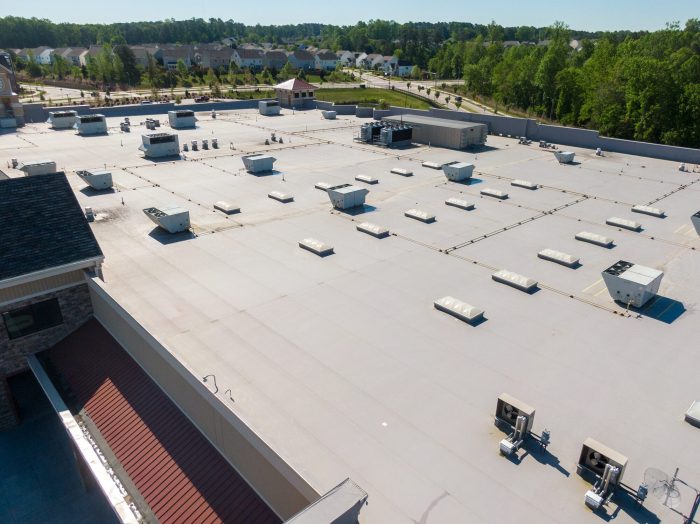
Installing a flat roof requires a series of steps to ensure a durable and long-lasting result. Specialists follow a specific process to ensure the roof is installed correctly and efficiently.
Preparation Work
Before installing a flat roof, specialists will conduct a thorough inspection of the existing roof structure to determine if any repairs or modifications are needed. They will also ensure that the roof is clean, free of debris, and properly drained
Additionally, any necessary permits or approvals will be obtained before starting the installation process.
Key Considerations During Installation
- Choosing the Right Materials: Specialists will select the appropriate materials for the flat roof based on factors such as climate, building structure, and budget.
- Ensuring Proper Insulation: Proper insulation is crucial for flat roofs to prevent heat loss and improve energy efficiency.
- Proper Installation Techniques: Specialists will use industry-standard techniques to ensure that the flat roof is installed correctly and securely.
- Waterproofing: Waterproofing is essential for flat roofs to prevent leaks and water damage. Specialists will apply waterproofing membranes or coatings to ensure the roof is watertight.
- Regular Maintenance: Specialists will provide guidance on how to maintain the flat roof properly to extend its lifespan and prevent costly repairs.
Materials Used in Flat Roof Installations
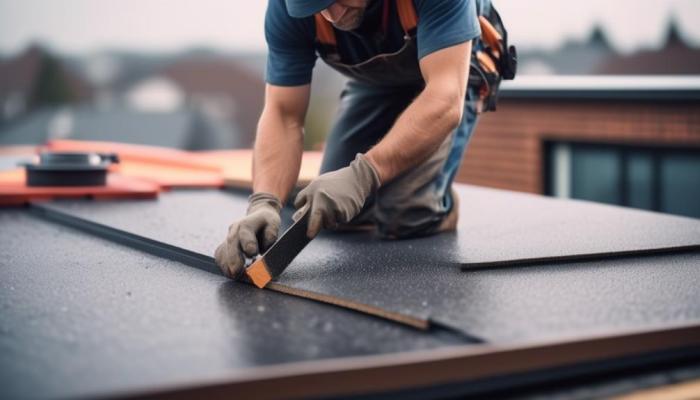
Flat roof installations commonly use a variety of materials to ensure durability and cost-effectiveness. These materials also have different environmental impacts, making it crucial to choose the right one for your specific needs.
Types of Roofing Materials
- EPDM (Ethylene Propylene Diene Monomer): EPDM is a popular choice for flat roofs due to its durability and resistance to UV rays. It is also cost-effective and easy to install.
- TPO (Thermoplastic Polyolefin): TPO is another commonly used material known for its energy efficiency and reflective properties. It is lightweight and resistant to punctures.
- PVC (Polyvinyl Chloride): PVC roofing is known for its strength and durability. It is resistant to chemicals, fire, and moisture, making it a reliable choice for flat roofs.
Comparing Durability and Cost-effectiveness
- EPDM is highly durable and cost-effective, making it a popular choice for many flat roof installations. It has a long lifespan and requires minimal maintenance.
- TPO is known for its energy efficiency and reflective properties, which can help reduce cooling costs. While it may have a higher initial cost, the long-term savings make it cost-effective.
- PVC is extremely durable and resistant to various elements, making it a long-lasting and cost-effective option for flat roofs. Its initial cost may be higher, but it offers excellent value over time.
Environmental Impact of Roofing Materials
- EPDM is considered environmentally friendly as it can be recycled after use. It also has a low environmental impact during manufacturing.
- TPO is known for its energy efficiency, reducing the overall environmental impact of a building. It is also recyclable, making it a sustainable choice.
- PVC, while durable and long-lasting, can have a higher environmental impact during manufacturing. However, advancements in technology have made PVC roofing more sustainable in recent years.
Last Word
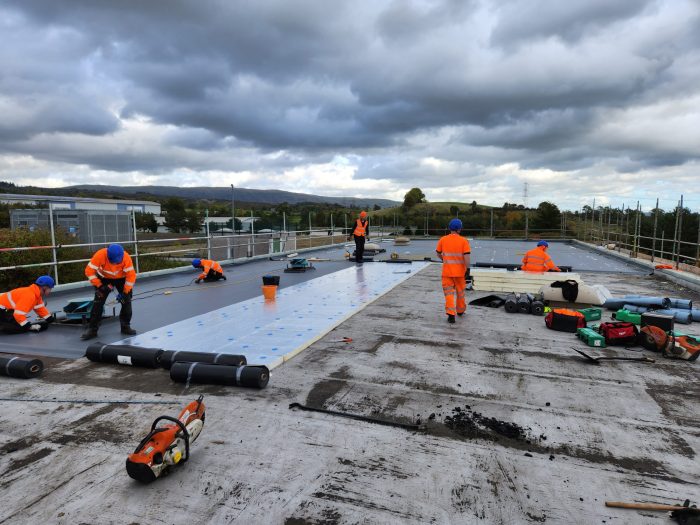
In conclusion, flat roof installation specialists bring a level of professionalism and precision that can't be matched by DIY efforts. By entrusting your flat roof installation to these experts, you're investing in quality, durability, and peace of mind for years to come.
FAQ Corner
What are the benefits of hiring flat roof installation specialists?
Hiring specialists ensures expertise, quality workmanship, and adherence to safety standards that DIY projects may lack.
Which types of flat roof systems are commonly used by specialists?
Common types include EPDM, TPO, PVC, and built-up roofing systems, each with unique features and advantages.
What preparation work is needed before installing a flat roof?
Preparation involves assessing the structure, ensuring proper drainage, and making any necessary repairs or reinforcements.
How do different roofing materials used in flat roof installations compare in terms of cost-effectiveness?
The cost-effectiveness varies based on factors like longevity, maintenance requirements, and initial installation costs.
What is the environmental impact of the materials commonly used in flat roof installations?
Materials like PVC and TPO can be recycled, reducing environmental impact, while others may have higher carbon footprints.