
Green commercial roofing systems open the door to a sustainable future for businesses, offering an eco-friendly alternative that not only benefits the environment but also provides cost-effective solutions. This article delves into the realm of green roofing systems, shedding light on their importance and impact in the commercial sector.
Introduction to Green Commercial Roofing Systems
Green commercial roofing systems are environmentally friendly roofing solutions designed to minimize the negative impact on the environment. These systems utilize sustainable materials and innovative technologies to provide energy-efficient and long-lasting roofing solutions for commercial buildings.
Importance of Environmentally Friendly Roofing Solutions
- Reduce carbon footprint: Green roofing systems help reduce energy consumption and lower greenhouse gas emissions, contributing to a healthier environment.
- Enhance energy efficiency: By using reflective materials and insulation, green roofs can help regulate indoor temperatures, reducing the need for heating and cooling.
- Improve air quality: Green roofs can help filter pollutants from the air, improving local air quality and creating a healthier environment for building occupants.
Contribution to Sustainability
- Longevity: Green commercial roofing systems are designed to have a longer lifespan than traditional roofs, reducing the need for frequent replacements and decreasing waste.
- Water management: Some green roofing systems are designed to capture and reuse rainwater, reducing the strain on municipal water systems and promoting water conservation.
- Biodiversity: Green roofs can provide habitats for plants and wildlife, promoting biodiversity in urban areas and creating green spaces in commercial settings.
Types of Green Commercial Roofing Systems
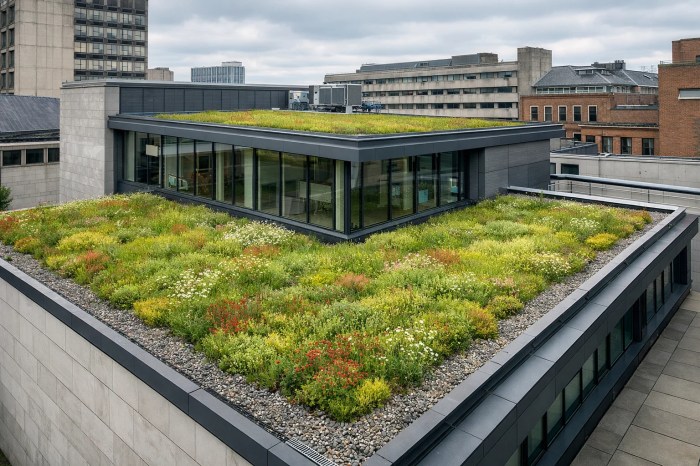
Green commercial roofing systems utilize eco-friendly materials that offer energy-efficient solutions for commercial buildings. These systems not only help reduce environmental impact but also provide long-term cost savings for businesses. Let's explore some of the common types of green roofing systems:
Solar Roofing Systems
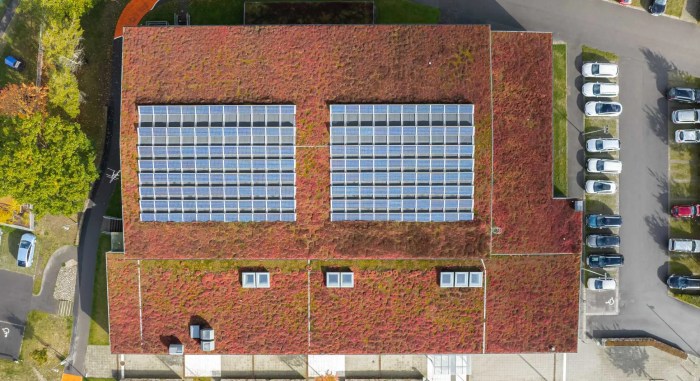
Solar roofing systems incorporate solar panels or solar shingles to harness the power of the sun and convert it into electricity. These systems help reduce energy costs by generating renewable energy on-site and reducing reliance on traditional power sources.
Vegetative Roofing Systems
Vegetative roofing systems, also known as green roofs, involve the installation of a layer of vegetation on the roof surface. These systems provide natural insulation, reduce stormwater runoff, improve air quality, and create green spaces in urban environments.
Cool Roofing Systems
Cool roofing systems are designed to reflect sunlight and absorb less heat compared to traditional roofing materials. By reducing heat absorption, these systems help lower indoor temperatures, decrease cooling costs, and mitigate the urban heat island effect.
Recycled and Sustainable Roofing Materials
Using recycled materials like rubber, plastic, or metal, as well as sustainable materials such as bamboo or reclaimed wood, can contribute to green commercial roofing systems. These materials help reduce waste, conserve natural resources, and promote environmental sustainability.
Benefits of Green Roofing Systems
Green commercial roofing systems offer several advantages over traditional roofing systems, especially in terms of energy efficiency. By incorporating eco-friendly materials and technologies, these systems can:
- Reduce energy consumption and lower utility bills
- Improve indoor comfort and air quality
- Extend the lifespan of the roof and reduce maintenance costs
- Enhance the overall sustainability and environmental performance of the building
Successful Installations of Green Commercial Roofing Systems
Many businesses and organizations have successfully implemented green commercial roofing systems to achieve energy savings and environmental benefits. For example, the Salesforce Tower in San Francisco features a vegetative roof that helps reduce heat gain, improve air quality, and support biodiversity.
Similarly, the Apple Park campus in Cupertino utilizes solar panels integrated into the roof design to generate clean energy and reduce carbon emissions.By embracing green commercial roofing systems, businesses can not only reduce their environmental footprint but also create healthier and more sustainable buildings for the future.
Design and Installation Considerations for Green Roofs
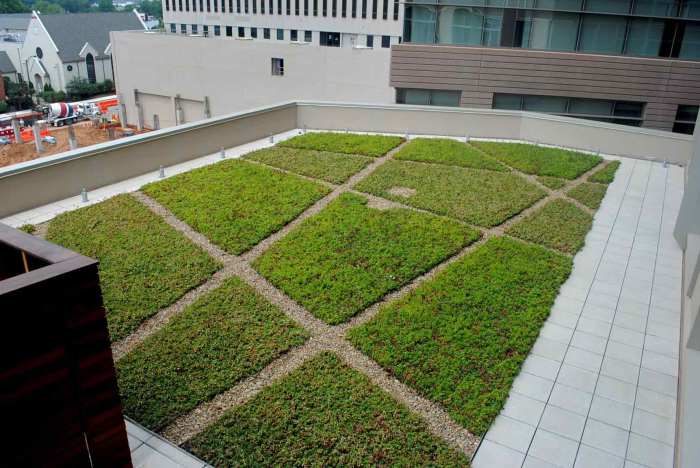
When it comes to designing and installing green roofs for commercial buildings, there are several key factors to consider to ensure their effectiveness and longevity.
Key Factors for Designing Green Roofs
- Structural Capacity: Ensure that the building can support the additional weight of the green roof, including plants, soil, and water.
- Waterproofing: Proper waterproofing is essential to prevent leaks and water damage to the building.
- Drainage: Adequate drainage systems must be in place to manage excess water and prevent water pooling.
- Plant Selection: Choose plants that are well-suited to the local climate and require minimal maintenance.
Installation Process of Green Commercial Roofing Systems
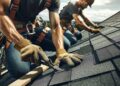
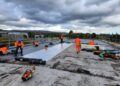
- Surface Preparation: The existing roof must be cleaned and repaired before the green roof system is installed.
- Membrane Installation: A waterproof membrane is laid down to protect the building from water infiltration.
- Soil and Plant Installation: Layers of soil, drainage materials, and plants are carefully installed on top of the membrane.
- Irrigation System: An irrigation system may be installed to ensure that the plants receive an adequate amount of water.
Tips for Maintaining and Caring for Green Roofs
- Regular Inspections: Schedule routine inspections to check for any damage or signs of wear and tear.
- Weed Control: Keep the green roof free of weeds to prevent them from taking over and damaging the plants.
- Pruning: Trim back overgrown plants to maintain a neat and healthy appearance.
- Irrigation: Monitor the irrigation system to ensure that the plants are receiving enough water, especially during dry periods.
Environmental Benefits of Green Commercial Roofing
Green commercial roofing systems offer a range of environmental advantages that contribute to sustainable building practices and help mitigate the impact of climate change.
Reducing Heat Island Effect
Green roofs play a crucial role in reducing the heat island effect in urban areas by absorbing less heat compared to traditional roofs. The vegetation on green roofs helps to cool the surrounding air through evapotranspiration, reducing the overall temperature of the building and the immediate environment.
Improving Air Quality
Green roofs have the ability to improve air quality by capturing pollutants and particulate matter from the air. The plants on green roofs help to filter out harmful pollutants, thus contributing to cleaner and healthier air in urban areas.
Reducing Stormwater Runoff
One of the key benefits of green roofs is their ability to reduce stormwater runoff by absorbing and storing rainwater. This helps to alleviate pressure on municipal stormwater systems and reduces the risk of flooding in urban areas. By retaining and filtering rainwater, green roofs also help improve water quality by reducing the amount of pollutants that enter water bodies.
Cost Considerations and Return on Investment
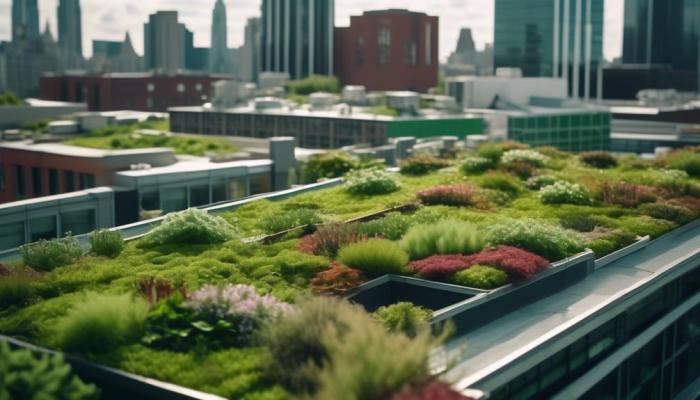
Installing green commercial roofing systems may involve higher initial costs compared to traditional roofing options. However, the long-term cost savings and return on investment make eco-friendly roofing solutions a financially sound choice for many businesses.
Financial Incentives and Rebates
- Many local governments and utility companies offer financial incentives or rebates for installing green roofs. These incentives can help offset the initial costs and make green roofing more affordable for businesses.
- Some programs provide tax credits or deductions for implementing environmentally friendly roofing solutions, further increasing the potential return on investment.
Closing Summary
In conclusion, green commercial roofing systems stand as a beacon of innovation and sustainability in the construction industry. Embracing these environmentally friendly solutions not only enhances the longevity of buildings but also contributes to a healthier planet for future generations.
Dive into the world of green roofs and pave the way for a greener tomorrow.
FAQ Section
What are the main benefits of green commercial roofing systems?
Green commercial roofing systems offer enhanced energy efficiency, contribute to sustainability, and provide long-term cost savings.
How do green roofs help in reducing the heat island effect?
Green roofs help in reducing the heat island effect by absorbing heat and providing insulation, thereby lowering the overall temperature in urban areas.
Are there financial incentives available for implementing green roofs?
Yes, there are various financial incentives and rebates offered by government agencies and organizations to encourage the installation of green roofs.